


Your bag is empty.


At a glance
Care Level
Flowering period
- J
- F
- M
- A
- M
- J
- J
- A
- S
- O
- N
- D
Foliage
- J
- F
- M
- A
- M
- J
- J
- A
- S
- O
- N
- D
Eventual height and spread
Height - 0.5m
Width - 0.5m

It reaches full growth in 2-5 years
General care for Astrantia Star of Billion

Flower colour
White

Aspect
Sun - Partial - Shade

Cut back
Dead or damaged foliage

Divide
Spring

Dead head
Spring - Summer - Autumn

Feed
Spring
How to care for Astrantia Star of Billion
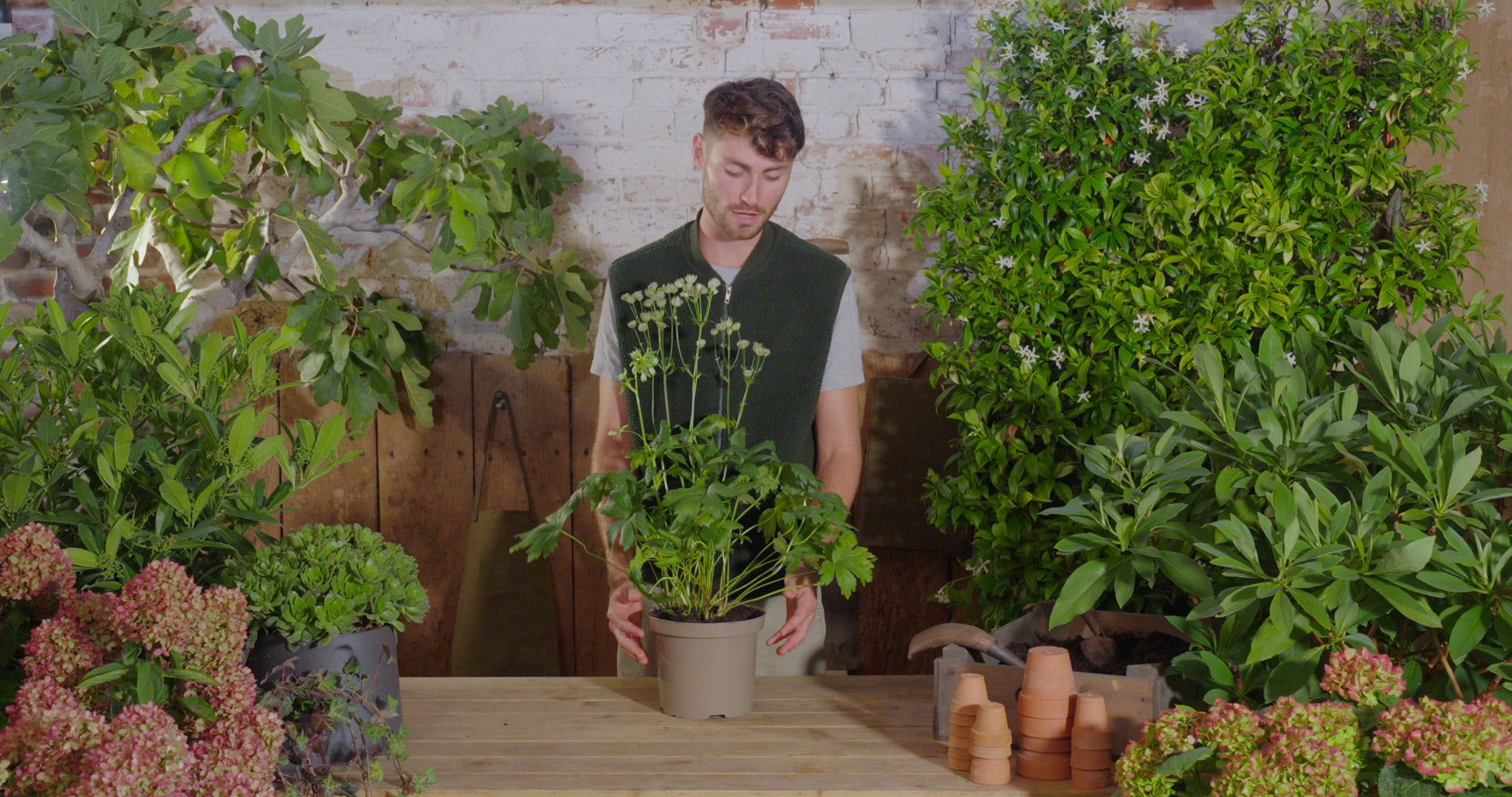
Seasonal guide to care for your
Star of Billion
Astrantia ‘Star of Billion’ is an elegant perennial that adds charm to the garden with its delicate, star-shaped white flowers and finely textured foliage.
To ensure the plant remains healthy and attractive throughout the year, it’s important to provide seasonal care suited to its specific needs. This guide explains how to care for Astrantia ‘Star of Billion’ through each season.
Spring

Pruning and Maintenance
In early spring, inspect your Astrantia for any dead or damaged foliage from the previous year and gently prune this away using clean, sharp secateurs.

Feed
Encourage new growth by applying a balanced, slow-release fertilizer. Follow the manufacturer's instructions for the correct dosage.

Dividing (if necessary)
If your Astrantia has become crowded or is no longer flowering as freely, spring is the ideal time to divide it. Lift the plant, divide it carefully, and replant the sections into well-prepared soil.

Watering
Gradually increase watering as the weather warms up. Keep the soil consistently moist but not waterlogged
Summer
Pruning and Maintenance (if needed)
Remove spent flower heads to encourage continued blooming and maintain the plant's appearance.
Mulching
Apply a 2 to 3-inch layer of organic mulch around the base of the plant to retain soil moisture, regulate temperature and suppress weeds. This is especially important in hot and dry summer conditions.
Watering
In the warmer months, the Astrantia requires regular watering. Keep the soil consistently moist but not waterlogged. Deep, infrequent watering is preferable to frequent shallow watering.
Autumn
Pruning and Maintenance
As the growing season comes to an end, trim away any remaining spent flower heads and dead foliage to tidy up the plant.
Protection from frost
Consider providing your Astrantia with frost protection, particularly if it is grown in a pot or planted in an exposed location.
Winter
Pest and disease prevention
Although pests and diseases are less common in winter, it's essential to inspect your Astrantia for any signs of issues and address them promptly.
Protection from frost
If you have potted Astrantia, you can consider bringing them indoors during the coldest winter months to protect them from frost.

Plant SOS
Wilting leaves – A sign of dry soil or heat stress. Water deeply and mulch to retain moisture.
Brown or scorched leaf edges – A sign of too much sun or lack of moisture. Move to partial shade and keep soil evenly moist.
Few or no flowers – A sign of low light or poor nutrition. Ensure morning sun and apply a balanced fertiliser.
Yellowing leaves – A sign of poor drainage or nutrient deficiency. Improve soil drainage and feed lightly.
Small holes in leaves – A sign of slugs and snails. Use a deterrent around the base of the plant such as Slug & Snail Repellent or Slug & Snail Control.
White powdery coating on leaves – A sign of powdery mildew. Improve air circulation and treat with neem oil if needed.


