


At a glance
Care Level
Flowering period
- J
- F
- M
- A
- M
- J
- J
- A
- S
- O
- N
- D
Foliage
- J
- F
- M
- A
- M
- J
- J
- A
- S
- O
- N
- D
Eventual height and spread
Height - 1-1.5m
Width - 1-1.5m

It reaches full growth in 5-10 years
General care for Hydrangea Little Lime

Flower colour
White - Pink

Aspect
Sun - Partial - Shade

Cut back
Two thirds in early Spring

Divide
Not required

Dead head
Summer

Feed
Spring
How to care for Hydrangea Little Lime
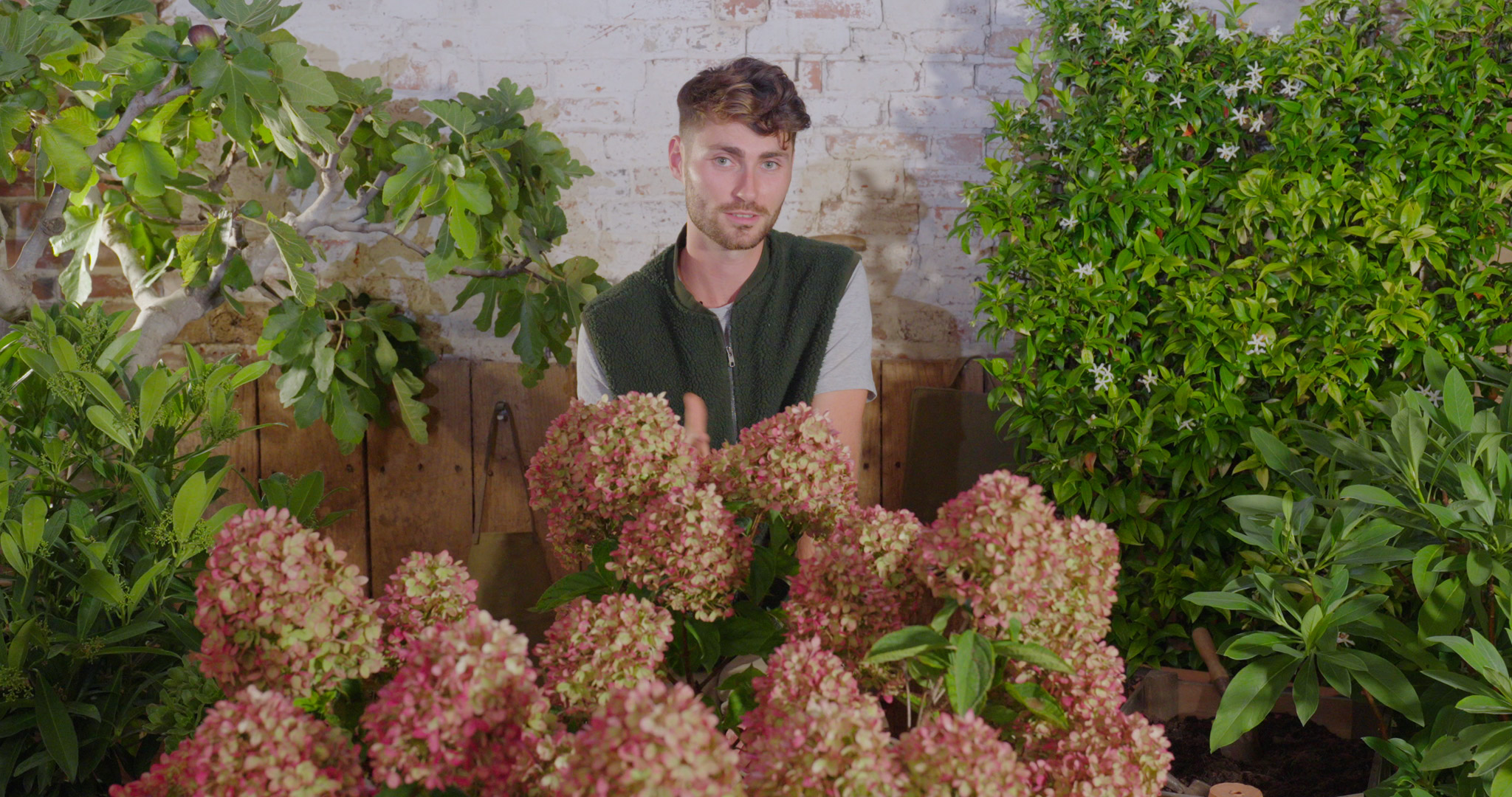
Seasonal guide to care for your
Hydrangea Little Lime
Hydrangea paniculata 'Little Lime,' a dwarf variety of panicle hydrangea, is loved for its compact size and cone-shaped flower clusters.
To ensure the health and beauty of this plant throughout the year, it's important to provide seasonal care tailored to its specific needs. This guide explains how to care for Hydrangea paniculata 'Little Lime' across all seasons.
Spring

Pruning and Maintenance
In early spring, inspect your 'Little Lime' Hydrangea. Begin by removing any dead, weak, or damaged wood. Concentrate on branches that are not producing new growth. Prune back to healthy buds to encourage robust growth.
For shaping and size control, consider light pruning. Avoid heavy pruning, which can reduce flowering.

Feed
Apply a balanced, slow-release fertiliser designed for flowering shrubs as new growth begins in spring. Follow the manufacturer's instructions for the recommended dosage to support healthy development.

Watering
Hydrangea 'Little Lime' prefers consistently moist but well-drained soil. Ensure the soil is kept damp, especially as the weather warms up in spring. Deep watering is essential to reach the root zone effectively.
Summer
Pruning and Maintenance (if needed)
Monitor the shrub's shape and density; selective pruning during early to mid-summer may be necessary to maintain its desired form.
Mulching
Apply a generous layer of organic mulch around the base of the plant to help retain soil moisture, regulate temperature, and suppress weeds. A layer around 2–3 inches deep is usually sufficient. This is particularly important during hot and dry summer conditions
Watering
During the warmer months, maintain regular and deep watering to keep the soil consistently moist but not waterlogged. Adjust the frequency based on local weather conditions.
Autumn
Pruning and Maintenance
As the growing season comes to an end, trim away any dead or damaged wood, spent flower heads, and weak or diseased growth. This autumn tidy-up helps keep the plant looking neat and encourages healthy new growth in spring. If you prefer to leave some winter structure in the garden, this task can also be carried out in early spring.
Protection from frost
While Hydrangea 'Little Lime' is generally frost-hardy, providing some extra protection, such as a layer of mulch, can be helpful during severe frosts, especially for young plants or those in exposed positions.
Winter
Pest and disease prevention
While pests and diseases are less active in winter, monitor your Hydrangea for any signs of issues and address them promptly to prevent further damage.

Plant SOS
Wilting leaves – A sign of dry soil or heat stress. Water regularly and keep soil evenly moist.
Few or small flowers – A sign of too much shade or lack of pruning. Move to sun or light shade and prune in early spring.
Yellowing leaves – A sign of poor drainage or nutrient deficiency. Improve drainage and feed lightly.
Floppy flower stems – A sign of heavy rain or wind exposure. Plant in a sheltered position.
Distorted or sticky leaves – A sign of aphids. Remove with water spray or apply insecticidal soap.
Small holes in leaves - A sign of slugs and snails. Consider using a deterrent around the base of the plant such as Slug & Snail Repellant or Slug & Snail Control


